Amghar Mosque
Obi-Wan's Tatooine Sanctuary
The Convergence of History and Mythology
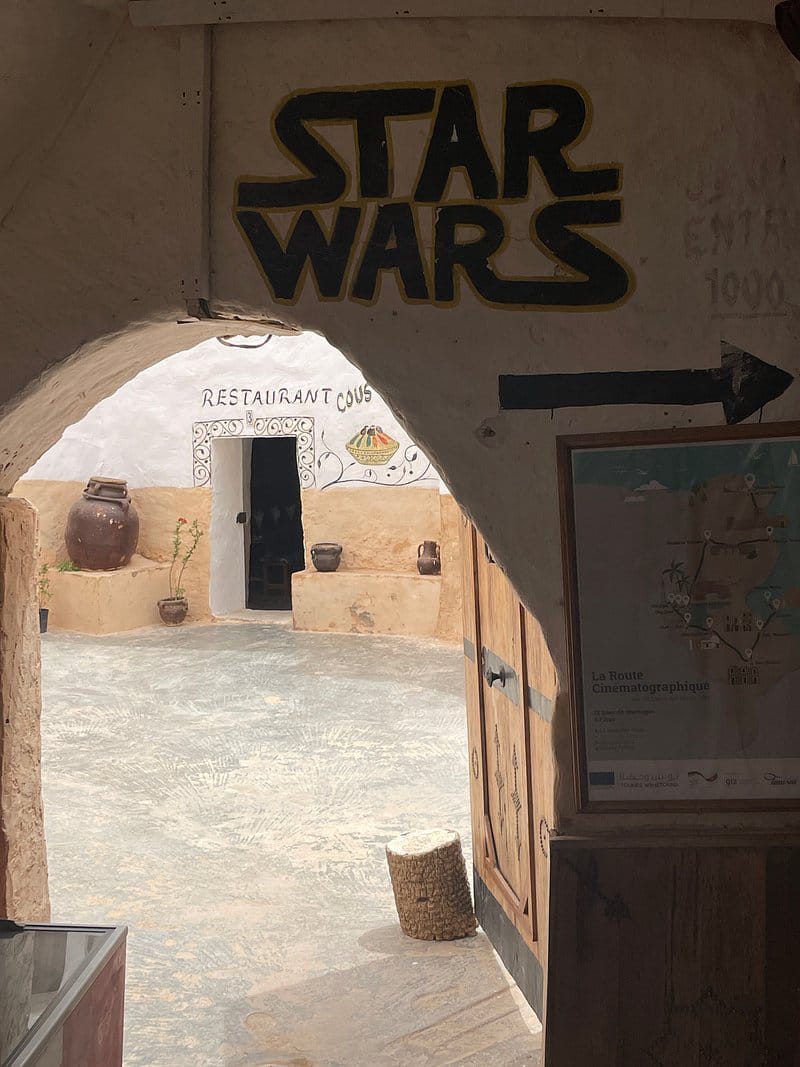
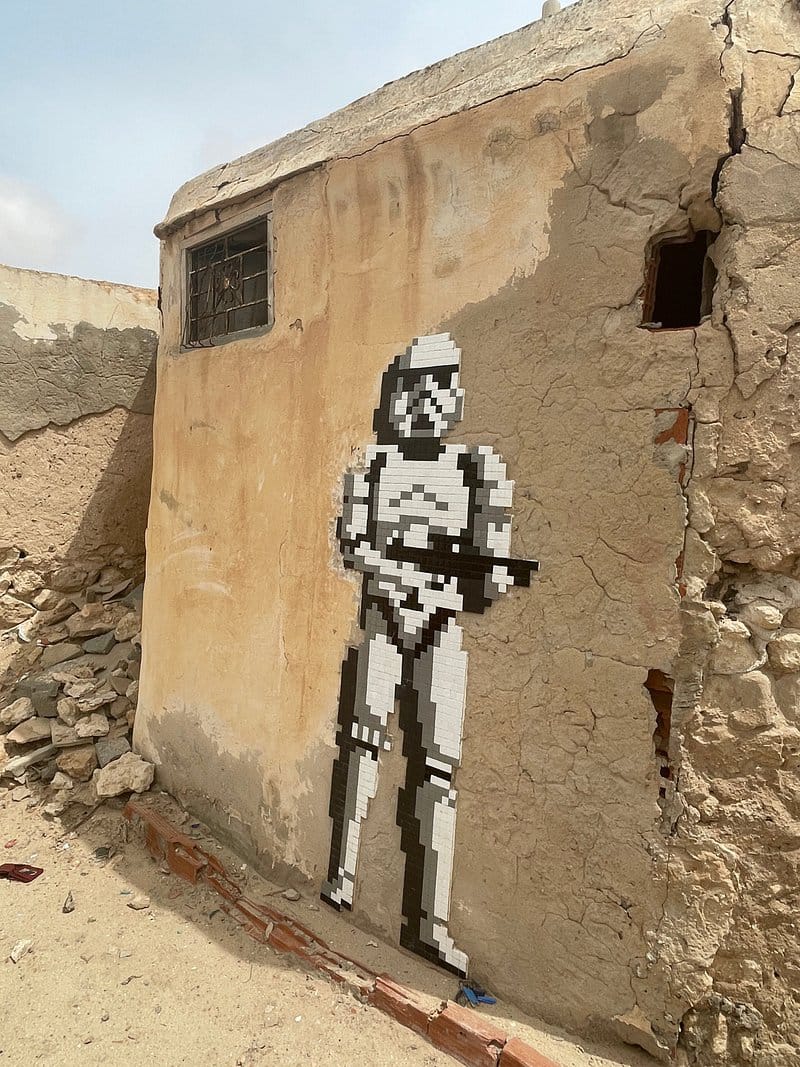
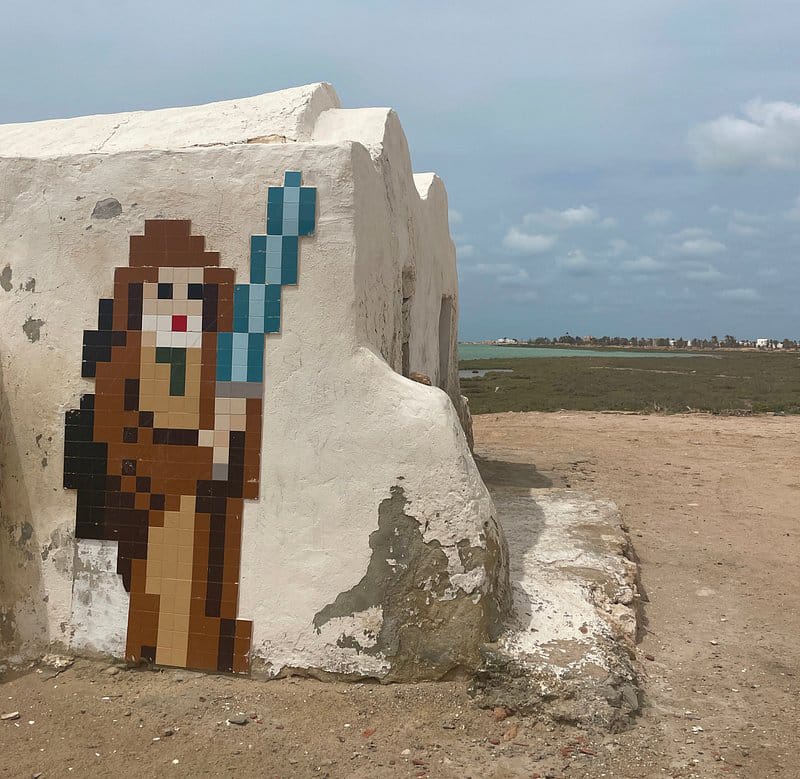
On the Mediterranean coast of Djerba, Tunisia, stands a modest, whitewashed structure that embodies a profound cultural convergence. The 10th-century Amghar Mosque, a decommissioned Ibadi place of worship and now a UNESCO World Heritage Site, simultaneously exists as Obi-Wan Kenobi's hermitage from Star Wars: A New Hope.
This unique location serves as a fascinating case study in cinematic patrimony—where a historical monument has been permanently recontextualized within global popular culture.
🎬 The Cinematic Transformation
During the final day of Star Wars filming in Tunisia (April 4, 1976), a second unit captured the structure as a simple background plate. Through strategic framing that excluded the Mediterranean coastline, the coastal religious site was cinematically reborn as a dwelling in Tatooine's Jundland Wastes.
The Preservation Paradox
In the 1997 Special Edition releases, George Lucas replaced this authentic location shot with a CGI-enhanced model, effectively erasing the physical mosque from the filmic narrative.
This digital substitution ironically heightened the real location's significance as the tangible artifact of the original cinematic moment, creating a "preservation paradox" where the authentic site exists outside its most famous representation.
📜 Stratified Significance
Historical Layer
10th-century Ibadi coastal mosque & defensive structure. Decommissioned religious site by late 20th century. UNESCO World Heritage designation (2023).
Cinematic Layer
Obi-Wan Kenobi's Tatooine residence. Background plate filmed April 1976. Featured in original 1977 release. Global Star Wars pilgrimage destination.
Visual Journey
Visit This Location
This decommissioned 10th-century Ibadi mosque serves as both a UNESCO World Heritage Site and a pilgrimage destination for Star Wars fans worldwide.